The math on Halloween waste is quietly brutal: one fast-fashion costume worn once for three hours, single-use plastic decor tossed on November 1, and teal-bag after teal-bag of candy wrappers. Parents on Facebook Marketplace and Buy Nothing groups give away outgrown costumes the day after Halloween — which is the proof that the whole cycle is unnecessary. A sustainable halloween is not a deprivation exercise; it is a swap-and-reuse system that costs less and looks better. Here is the costume swap playbook, the reusable decoration rule, and the candy strategy that skips the landfill.
Costume swaps: the zero-waste alternative to fast fashion
The average store-bought costume is $30–$50, worn one night, then landfill. The costume swap fixes that in three ways:
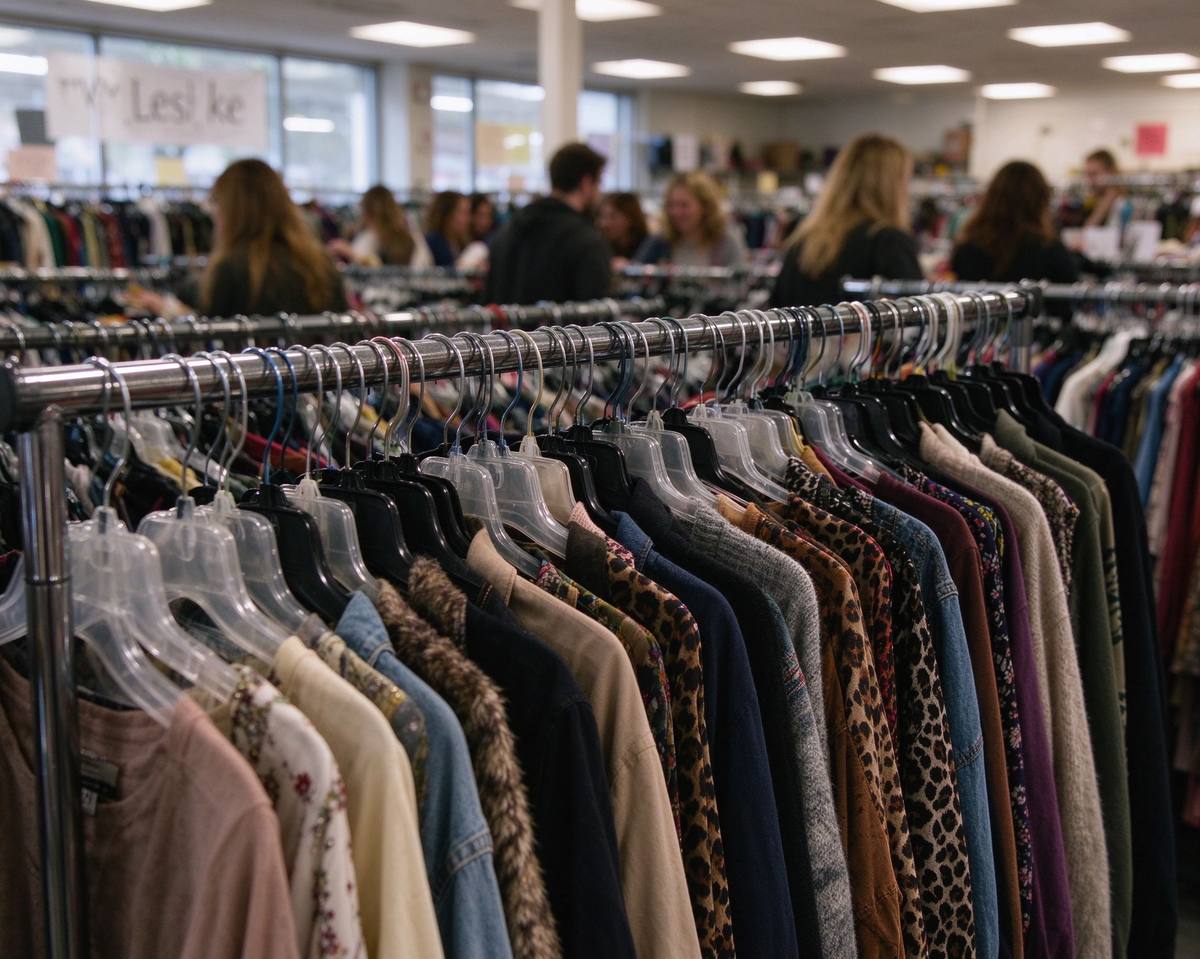
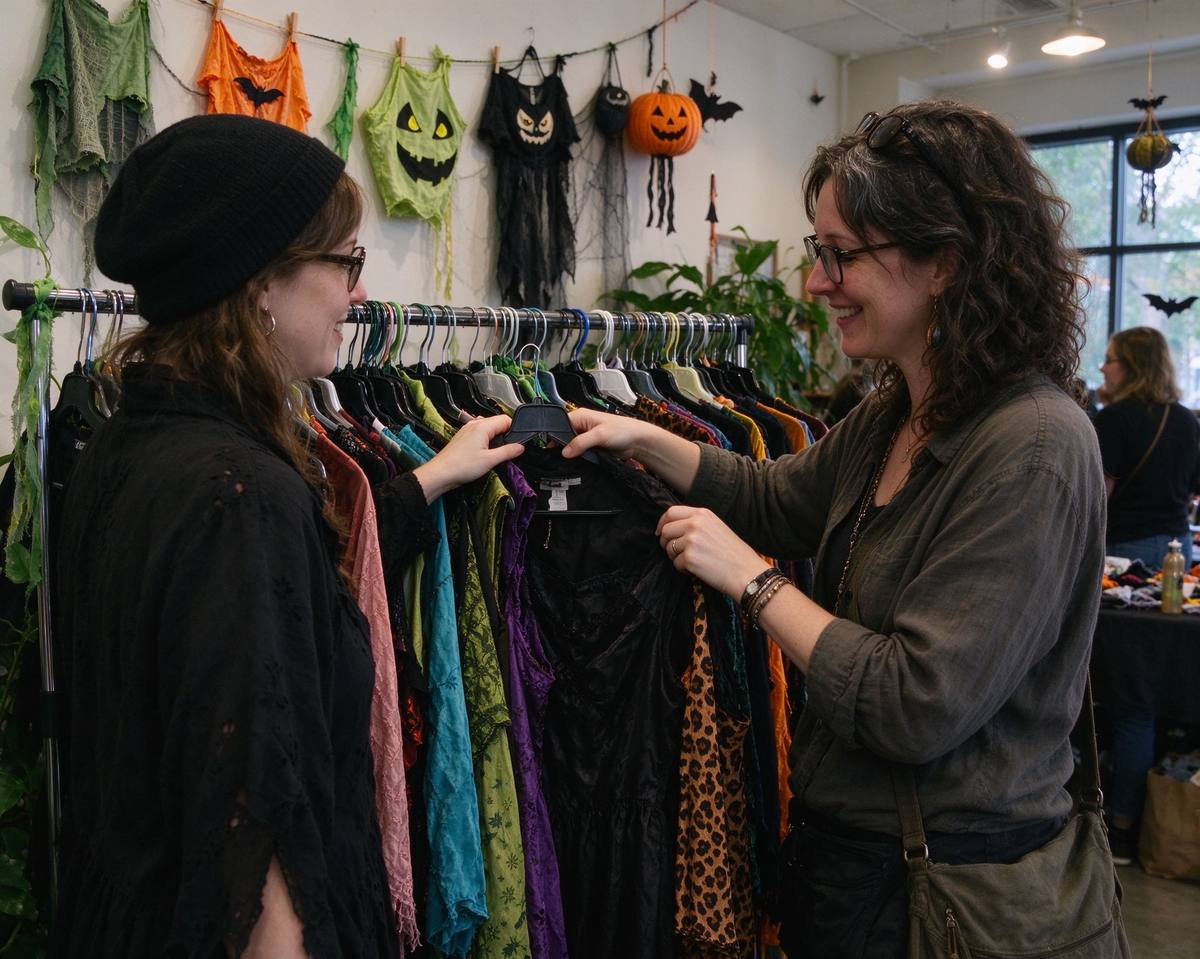
- Neighborhood or school swap meet. Ask the PTA or local Buy Nothing group to host a Saturday swap two weeks before Halloween. Bring costumes your kids have outgrown, take what fits. Free for everyone, and the kids enjoy browsing the rack as much as shopping.
- Thrift-store first. A $5 sheet, a $3 vest and a belt become a ghost, a witch or a vampire — see our cheap adult costume ideas for the exact outfit math. Thrift-store buys are also the most forgiving when the zipper breaks at 9 p.m.
- Re-rent your own costume. Every year, photograph each costume, write the size on the tag, and store it flat. This year's witch dress becomes next year's "which witch" duo with a friend's swap find.
To run the swap without the chaos, list what you own and what you want in the Costume Swap Planner — it highlights matches by costume name and size, gives you the eight rules for hosting a swap event, and exports the list as text to share in the group chat.
Reusable decorations: buy once, use five years
Decorations are where the waste cycle is easiest to break permanently. The principle: spend slightly more now on items that survive storage, and skip everything designed to be used once.
| Buy and keep (reusable) | Skip (single-use) |
|---|---|
| Fabric or felt banners (fold flat) | Cardboard cutouts from the dollar store |
| LED string lights (last 5+ years) | Flickering candle packs you throw away |
| Fake pumpkins / foam jack-o'-lanterns | Real pumpkins you compost anyway (actually fine — compost them!) |
| Witch hat, broom, reusable wreath | Paper garlands and thin plastic tablecloths |
| Cloth trick-or-treat tote | Plastic candy pails that crack in one season |
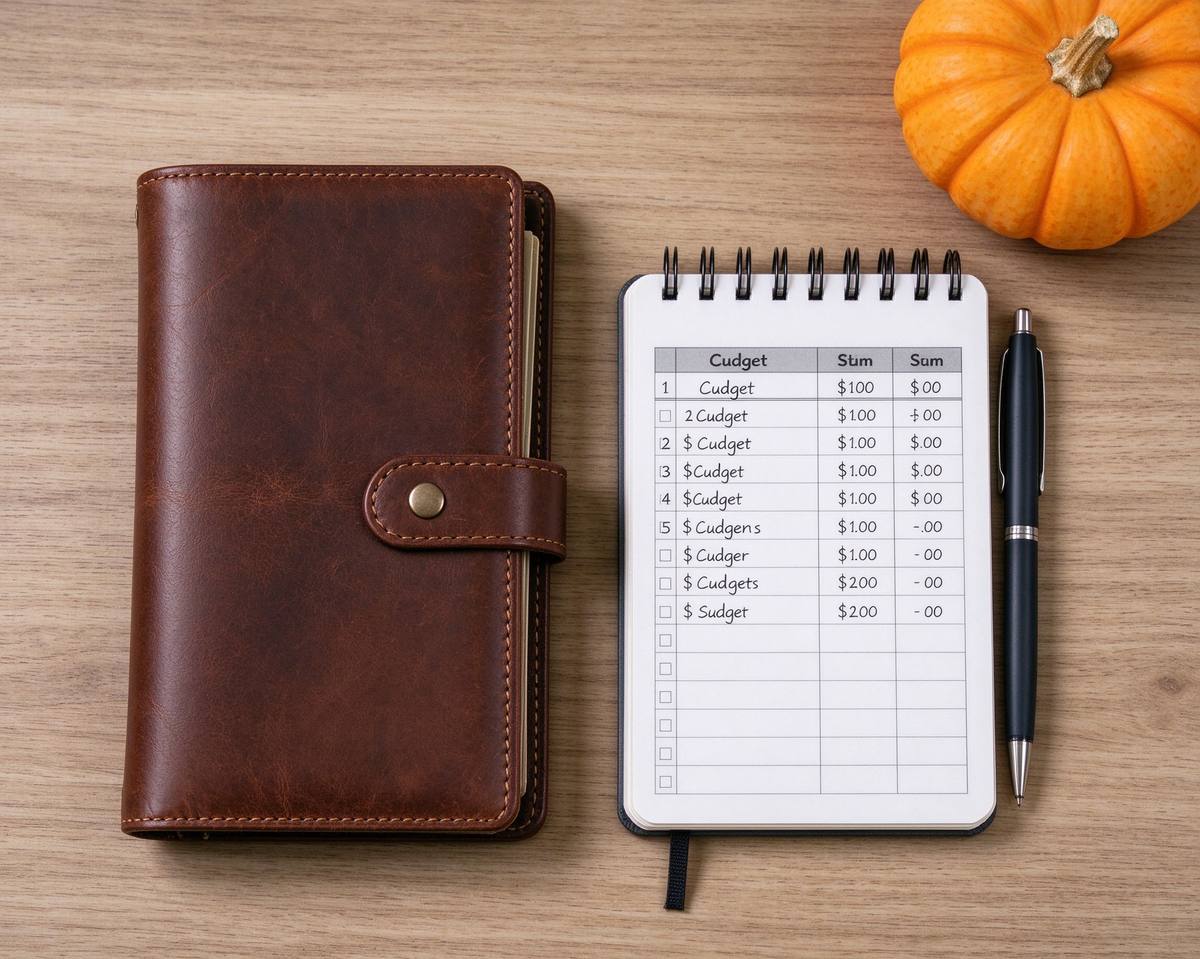
Notice the nuance: real pumpkins are not a waste problem — they compost perfectly, and carving one is still the best family ritual. The waste problem is cheap plastic decor that cannot be composted or reused. Pair this list with the budget decorations guide so the reusable buys come from a $60 starter plan instead of a splurge, and track the spending categories in the Budget Planner so the "buy it once" budget stays honest.
Smart candy: less wrapper, more useful treats
Candy wrappers are the hardest Halloween item to recycle — foil, plastic and mixed materials rarely make it into curbside bins. Three strategies cut the wrapper pile in half:
- Non-food treats for the teal-bucket crowd. Glow sticks, stickers, mini bubbles, pencils and temporary tattoos are allergy-safe, wrapper-light (one outer bag), and kids love them. They also never expire on your shelf.
- Bigger bars, fewer wrappers. A small bag of full-size chocolate bars produces fewer wrappers per treat than two bulk bags of miniatures, and kids do not complain.
- Buy exactly the right amount. Estimate neighborhood trick-or-treaters and average per-house visits, then buy once — see the Candy Calculator for the math. Overbuying is the #1 source of leftover candy that expires in a drawer by next October.
One extra note: leftover unopened candy can be donated to local shelters, dental buy-back programs, or sent overseas through troop programs — better than tossing it, and better than eating it by March.
The pet side: keep animals out of the waste loop
Synthetic pet costumes with glued-on decorations follow the same one-night cycle. For the animal-friendly route, skip the full costume entirely: take a calm photo of your pet and digitally add the costume with the Pet Costume Maker — zero fabric, zero stress, zero disposal. It is the trick-or-treat recycle loop for the family member who never agreed to it.
Frequently asked questions
Where can I actually host a costume swap?
Start with your school PTA, local library, or the neighborhood Buy Nothing group — all three already have the audience and a space. Keep it to two hours, one day, and ask people to take max two costumes each so the rack stays fair.
What do I do with a real carved pumpkin after Halloween?
Compost it: scoop the seeds for roasting, cut the rind into chunks, and it breaks down in a home or community compost bin in a few weeks. Never in the trash unless composting is truly unavailable.
Are eco-friendly Halloween decorations more expensive?
The first year costs about the same as the dollar-store route; year two onward you stop spending almost entirely. The swap and secondhand routes are cheaper from day one.
中文要点摘要(Chinese key points)
服装交换体系:开学后两周由家委会/图书馆/Buy Nothing群办换装集市;二手店$5布料+小配饰出造型;自家服装拍照登记尺码、每年复用或互换。
装饰"买一次用五年":保留布艺旗/LED串灯/假南瓜/女巫帽/布布袋;弃用卡纸、薄塑料桌布、纸拉花;真南瓜不浪费——挖籽烤、瓜肉堆肥。
糖果减废策略:蓝南瓜发荧光棒/贴纸/泡泡等非食物(过敏友好+少包装);买大排巧克力减少包装层数;用糖果计算器按实际户数一次买对,避免剩糖过期;剩糖捐给庇护所/军队项目。
宠物零废方案:不买合成宠物服,拍干净照片用站内宠物换装工具P图——零面料、零应激、零丢弃。
Make this the year you stop the cycle
Swap the costume, reuse the decor, buy the right amount of candy. Plan the swap in the Costume Swap Planner, keep the budget honest in the Budget Planner, and read our stress-free pet costume guide and $60 porch decoration plan to complete the low-waste, low-cost Halloween. Haunt gently, spend lightly, reuse boldly.